Beer Photography, What Actually Matters
Head, condensation, color, and clarity. The four things a beer photograph has to get right, and the production tricks that make them possible without propping the beer.
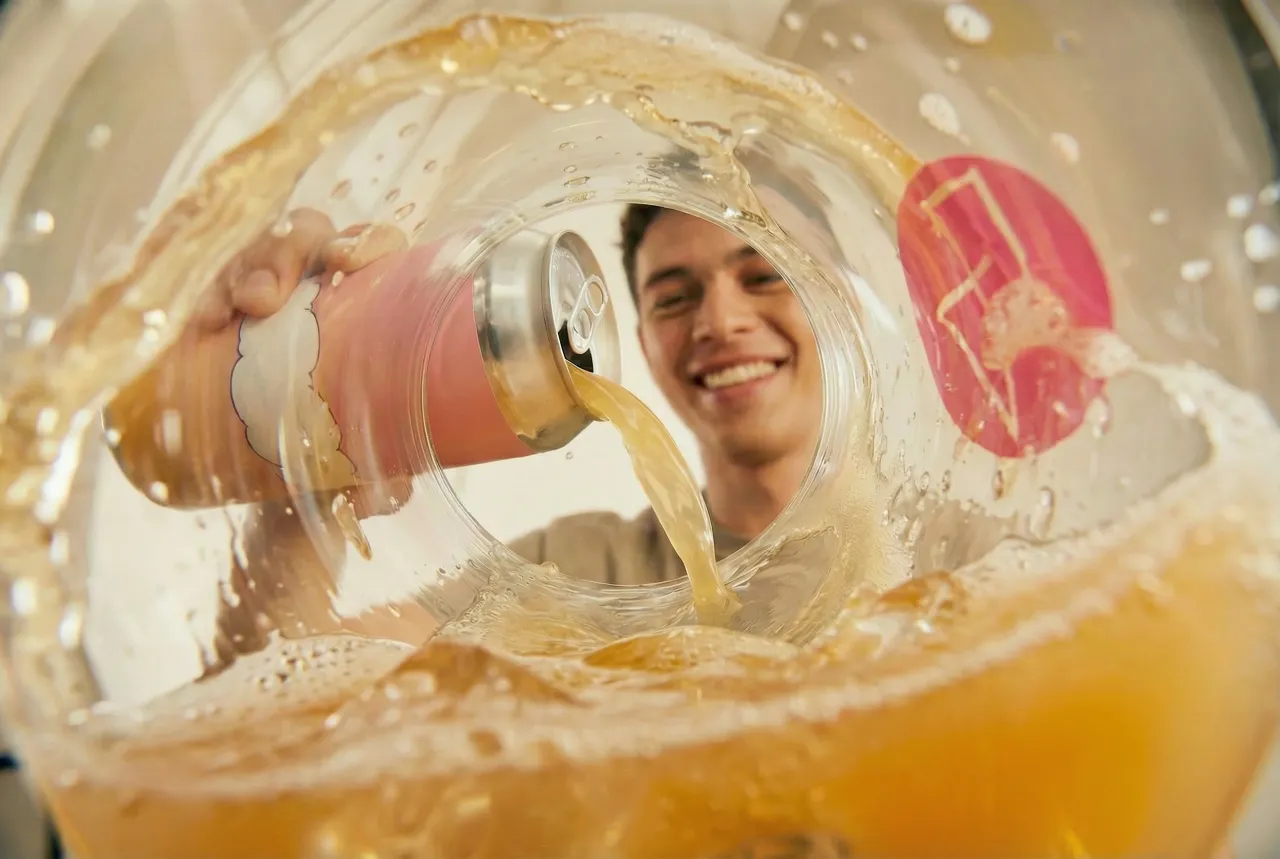
Beer is one of the harder drinks to photograph well, and the reason is that a glass of beer is alive. The head falls. The bubbles rise and thin. The condensation runs and pools. By the time a scene is lit and the camera is ready, a real pour has already changed. A lot of stock beer imagery hides this by faking it, dish soap for foam, glycerin for the sweat on the glass, a color pushed in post until it stops looking like beer. That route is faster on set and it reads as fake on the shelf.
The work that holds up does the opposite. It shoots real beer and controls the four variables that decide whether a frame looks premium or looks like a library image. Here is how each one gets handled on a production day.
The Head Is a Timing Problem, Not a Prop Problem
Foam is the first thing the eye reads and the first thing to fall apart. A real head starts collapsing within seconds, so the answer is not a thicker prop, it is a faster process. The glass is prepped and spotless, because grease and dust kill retention. The pour rate and glass angle are set before the camera rolls, so the head lands at the same height every take. Temperature is managed, because a warm pour foams differently than a cold one.
Then you work quickly and you pour fresh for each frame. A production that plans for this has backup glassware staged, the shot composed in advance, and focus locked so the only variable left is the pour. Done that way, the head reads as a beer that was just set down in front of you, which is exactly the feeling the frame is selling.
Condensation Signals Cold, When It Is Controlled
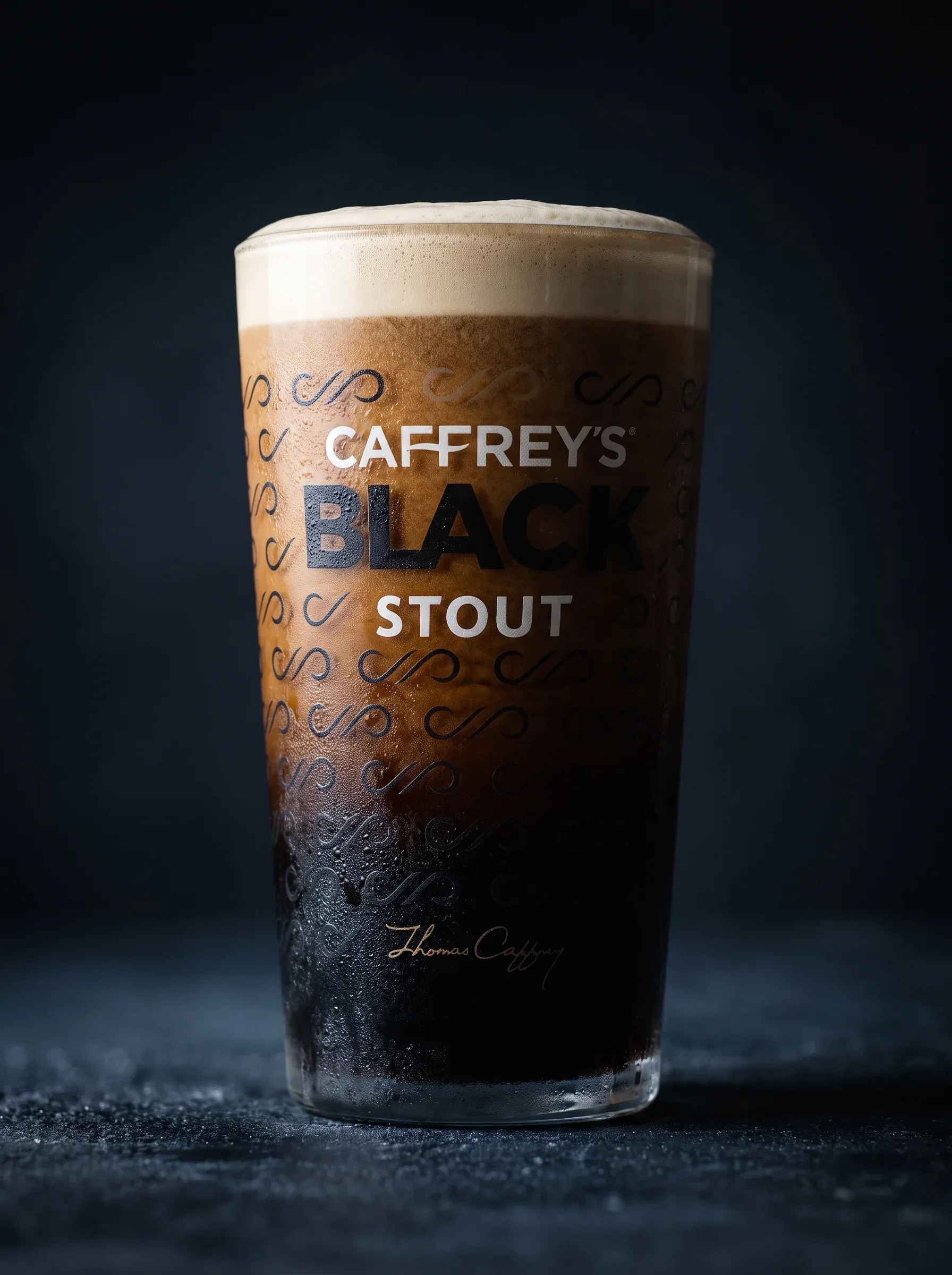
Condensation is shorthand for cold and fresh, and it is worth building deliberately rather than hoping for it. Natural condensation forms when a chilled glass meets a warmer set, and it is beautiful when timing allows it. When it does not, applied condensation gives you control over bead size, density, and where the drops sit in the frame.
The point is control, not compositing. Bead size and coverage get dialed in on set so the glass reads consistently across every angle of the build. Nothing is painted in afterward. A stock sweat overlay dropped over the glass in post always looks like what it is, and art buyers who work with beer brands spot it instantly.
Color Has to Match the Style, Not a Preset
Beer color is a brand asset. A pilsner has a specific straw. A stout is not just dark, it has warmth in the head and depth in the body. Getting that right starts with white balance set to neutral, not to a warm preset that makes every beer look like an amber ale.
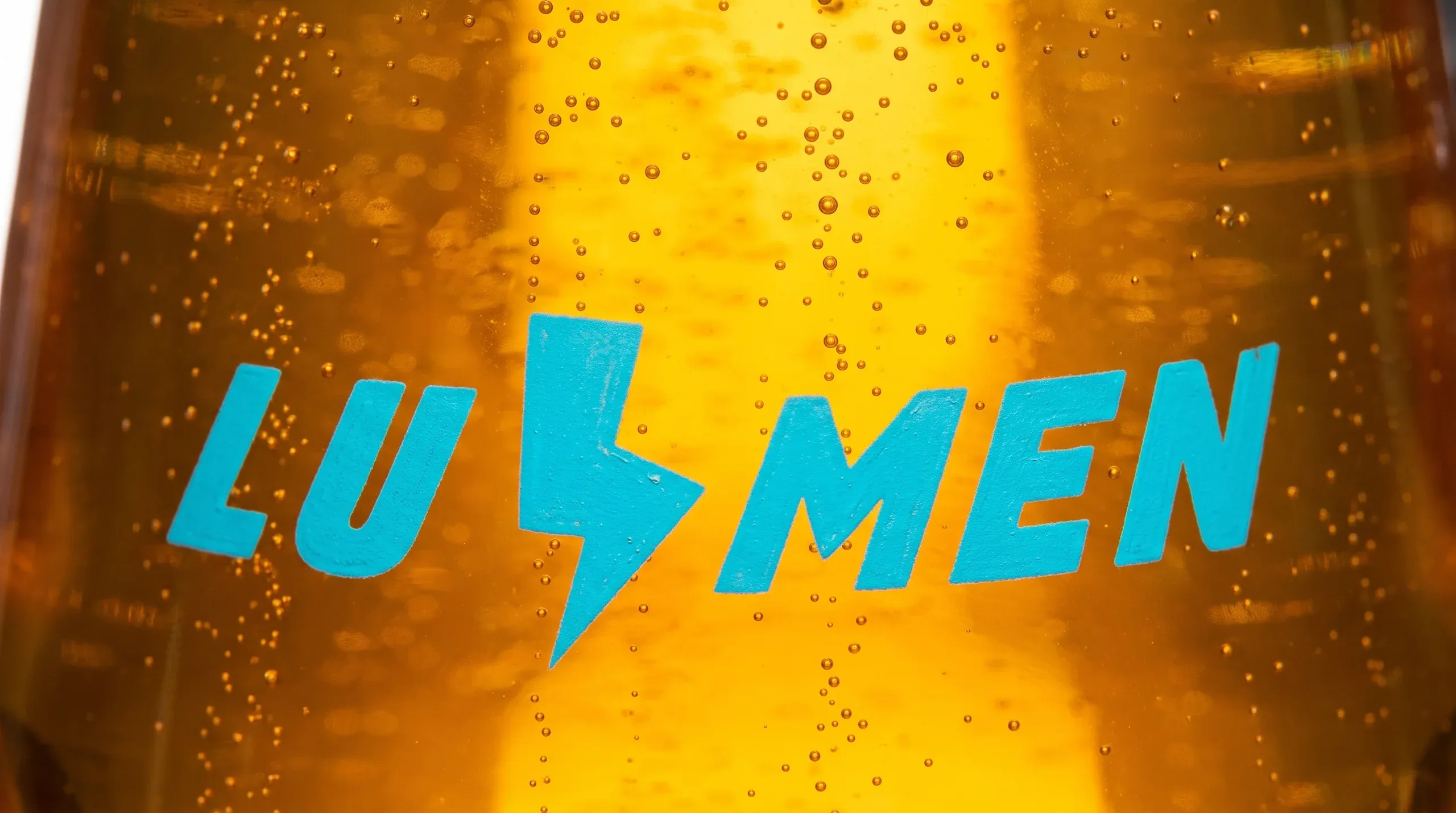
Lighting does the rest. Backlight brings out the translucency in a lager and shows the carbonation moving through the liquid. A stout needs more care in the highlights so the head stays creamy and the body stays rich rather than flat black. When there is a can or bottle in frame, label color and the liquid color both have to be accurate, because the brand team is comparing the frame against a physical reference.
Clarity and Haze Are Brand Decisions
Haze used to be a flaw. For a whole category of IPA it is now the product. A hazy beer should look intentionally soft and juicy, not murky or underlit. A crisp lager should look clean and bright with visible clarity through the glass.
This is a conversation to have before the shoot, not a call to make in the edit. The brewer knows how the beer is supposed to present. Matching the frame to that intent, and prepping the product so it shows up that way in glass, is part of the production, not a filter added later.
What This Means for a Shoot Day
None of this is exotic, but all of it has to be planned. A beer day that goes well usually has a few things in common.
- Fresh pours for every hero frame, with backup glassware staged and ready
- A controlled environment so condensation and head behave predictably
- Neutral color management and a physical brand reference on set
- The brewer or brand contact reachable, so style questions get answered in the moment
- A shot order that captures the freshest frames first, before the beer tires
The Short Version
Beer photography is a production problem more than a retouching problem. Head, condensation, color, and clarity are all decided on set, with real beer, under control, and none of them survive being faked. Get the process right and the frame reads as a cold beer you want right now. That is the whole job.
If you have a beer campaign coming up, see the beer portfolio for finished work, or get in touch to talk through the shoot.
Tags
- Beer Photography
- Technique
- Production