AI Versus Traditional Beverage Photography, The Honest Comparison
Where generative AI is strong, where it is weak, and where the two belong together. An honest comparison for brand teams deciding how to split the budget.
Generative AI has moved fast enough that the honest question is no longer whether it works for beverage imagery. It clearly does, for some things. The useful question is where it is strong, where it still fails, and how a brand should split a budget between generated work and a real shoot. This is that comparison, written from the production side rather than the hype side.
Where AI Is Genuinely Strong Now
Give the credit where it is earned. For a specific set of jobs, generated imagery is already good enough to ship and fast enough to change the math.
- Backgrounds and environments. Extending a set, swapping a season, or placing a hero product into a new scene is where the tools shine. The product stays real, the world around it gets generated.
- Variation at volume. Once a look is locked, producing dozens of aspect ratios, color ways, and regional variants is nearly free compared to reshooting.
- Concepting and previs. Before a shoot, AI is a fast way to test compositions and pitch a direction to a brand team without booking a studio.
- Non-hero support assets. Texture plates, abstract liquid, atmospheric fills, the supporting frames that never carry a campaign on their own.
For these, the speed is real and the quality gap has mostly closed.
Where AI Still Fails
The failures are specific, and they cluster exactly where beverage advertising lives.
- The hero product itself. Label geometry, legal text, embossing, and the precise way light moves through glass and liquid. Generated bottles drift. Text warps. A brand team catches it in the first review.
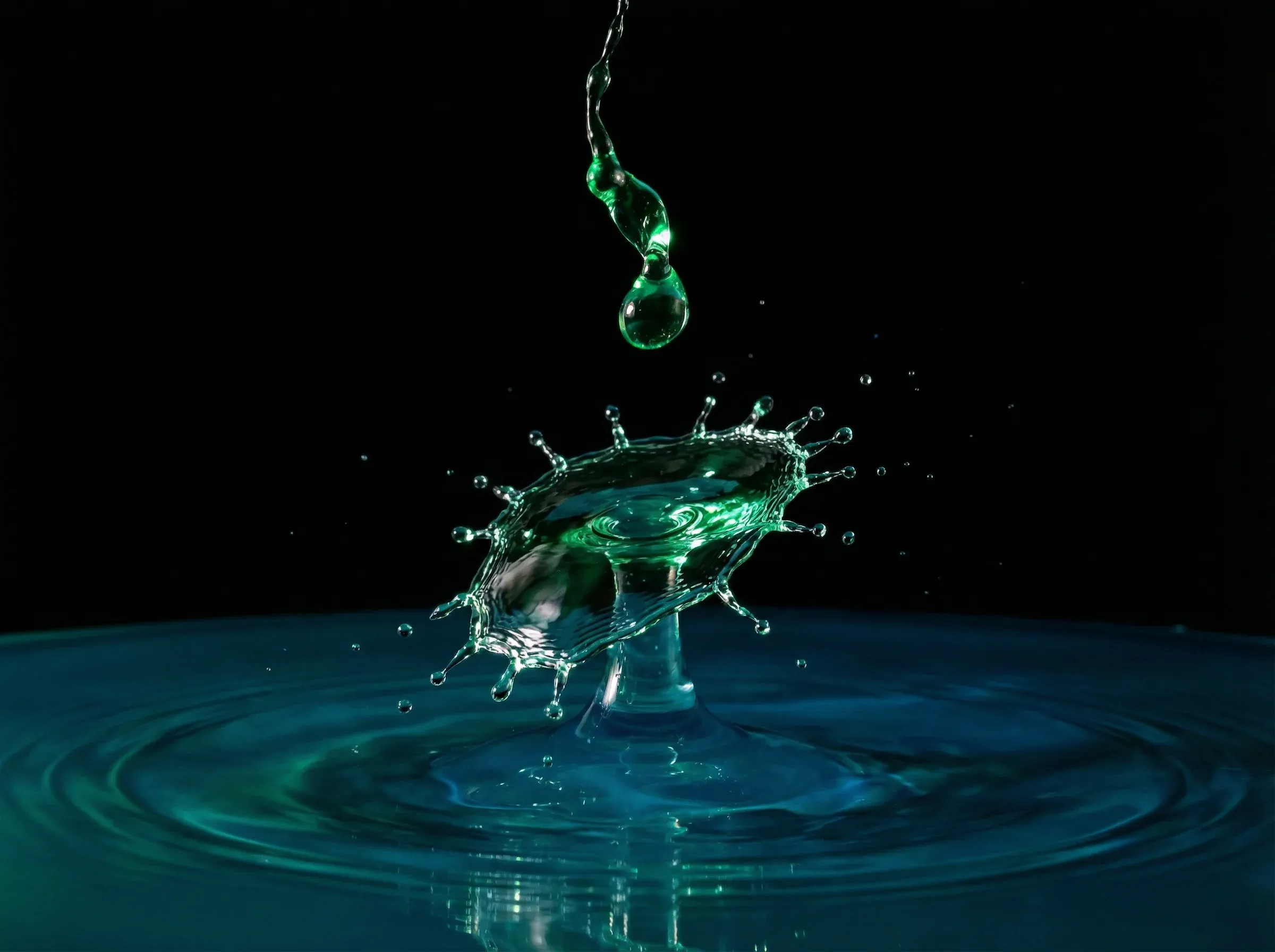
- Liquid behavior. Real pour, real splash, real condensation, real carbonation. AI approximates the look but gets the physics subtly wrong, and beverage audiences read liquid for a living.
- Human performance. Hands on a shaker, a genuine toast, a bartender mid-pour. Extended or generated talent tends toward the uncanny the moment it moves.
- Color accuracy under scrutiny. A spirit has a specific color that the brand protects. Getting that exactly right, and keeping it consistent, is still a job for a controlled camera and a physical reference.
None of these are edge cases in this category. They are the center of it.
Why the Failures Matter More for Beverage Brands
In a lot of industries the weak spots above are survivable. In beverage they are the whole product. The hero bottle is the asset the brand is paying to protect. Liquid is the appetite cue that sells the drink. Color is a trademark in everything but name. When AI gets those subtly wrong, it does not read as a cheaper photo, it reads as an off-brand one, and off-brand is the single thing a beverage marketing team cannot ship.
How Hybrid Production Uses Each for What It Is Good At
The answer is not to pick a side. It is to assign each tool the work it does well. That is what hybrid production means in practice.
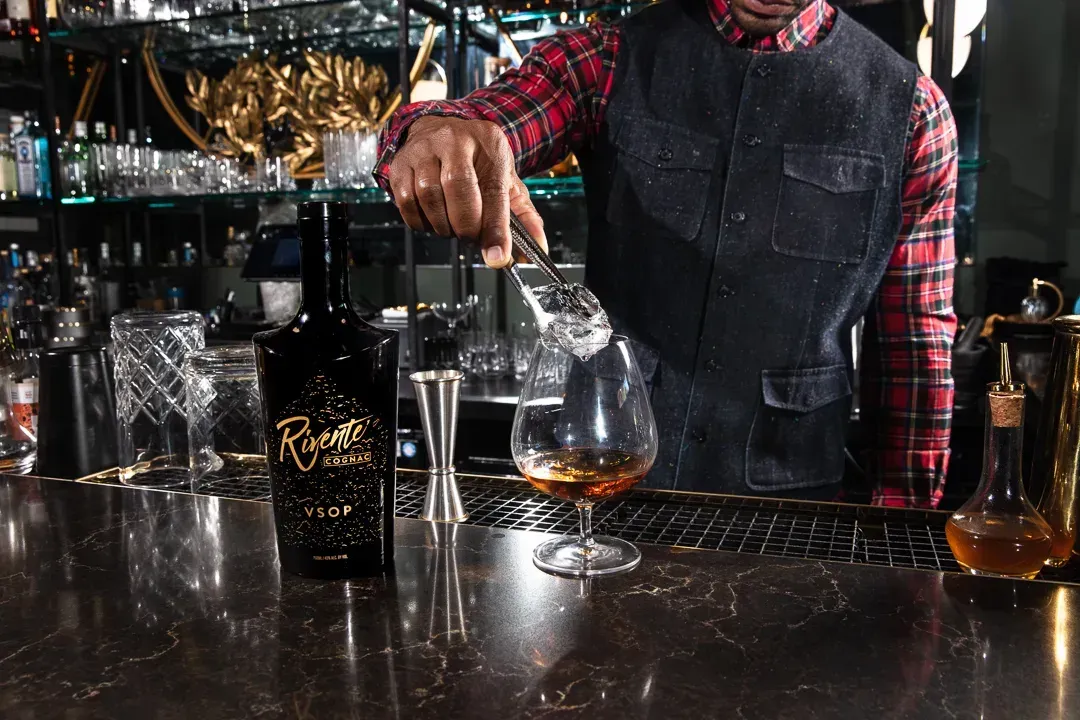
Shoot the hero for real. The bottle, the pour, the liquid, the talent, the color. Capture it clean, with extra negative space and clean plates, so the frame is built to extend. Then hand the generated tools the jobs they are strong at: backgrounds, seasonal variants, aspect ratios, and the long tail of supporting assets a media plan burns through.
Done this way, the real capture protects everything the brand cares about, and the generated work supplies the volume the brand cannot afford to shoot. One is the source of truth. The other is the multiplier.
A Simple Way to Split the Budget
A rough framework that holds up across most beverage briefs:
- Spend real production money on anything the brand would reject if it were slightly wrong. Hero product, liquid, color, talent.
- Spend generated-work money on anything defined by volume and variation. Ratios, regions, seasons, test variants, backgrounds.
- Keep a human in the approval chain for both. Taste and brand judgment do not automate.
- Budget the capture plan, not just the shoot. The value of the real day is how well it feeds the generated work downstream, so plan the two together.
Brands that draw the line here get the quality where it counts and the volume where it does not, without paying full production rates for a hundred aspect ratios.
AI Is a Moving Target, and That Is the Point
Everything above is a snapshot of a fast-moving tool. The list of jobs AI does well has grown every few months, and it will keep growing. That is exactly why a brand should not hard-code a policy of AI or no AI. The right posture is to reassess the split each campaign, keep the hero real while the tools mature, and expand what you generate as the quality earns it. A production partner who works in both worlds will tell you honestly when a job has crossed from shoot-it to generate-it, rather than defending whichever one they happen to sell.
The Short Version
AI is not replacing beverage photography, and it is not a gimmick either. It is very good at scale, variation, and environments, and still unreliable at the hero product, real liquid, moving talent, and protected color. The brands getting the most out of it are not choosing between AI and a shoot. They are shooting what has to be real and generating what has to be plentiful.
For how that shoot-plus-extension model actually runs, see Hybrid Production, Explained, or get in touch to talk through the split for a specific campaign.
Tags
- AI Creative
- Strategy
- Production