Hybrid Production, Explained
Hybrid production means a real shoot as the source of truth, then AI extensions to multiply that footage across every channel a brand needs to feed. Here is what it actually covers, when it saves money, and when it does not.
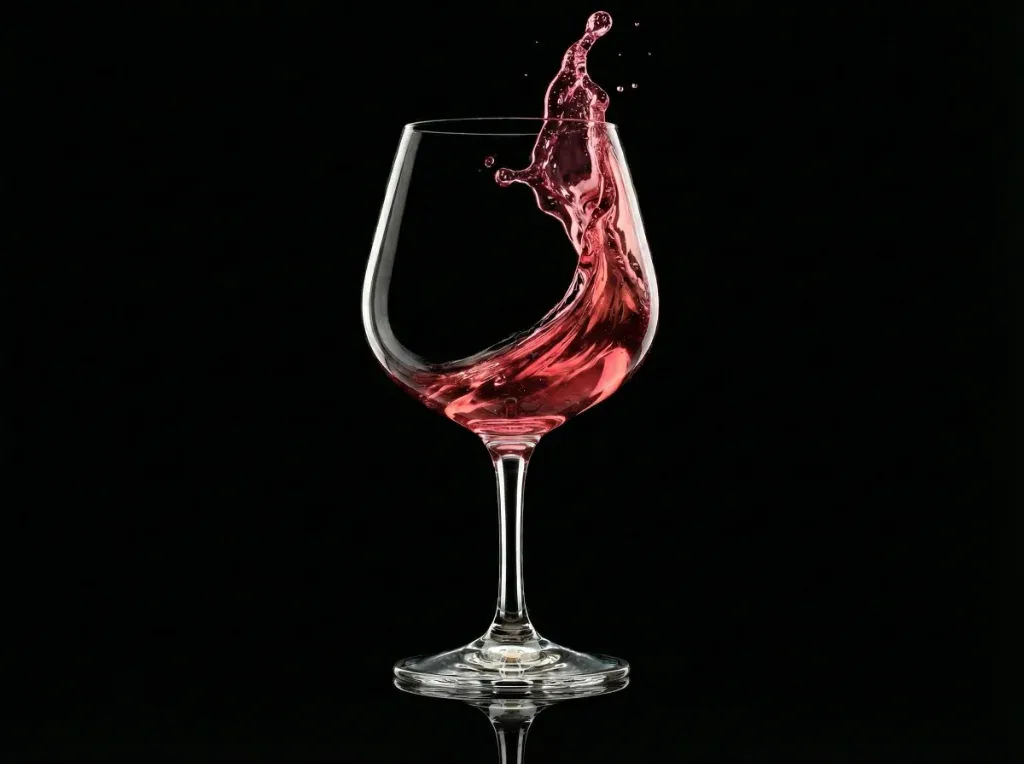
Hybrid production is a phrase you will hear more often over the next two years. It covers a pretty simple idea. You shoot the hero asset in real life, with real light, real liquid, real product. Then you use AI to extend that source material into every size, aspect ratio, variation, and platform your brand needs to feed. The shoot is the source of truth. The AI work is how you make one shoot do the work of four.
This is what that actually looks like in practice.
The Problem Hybrid Production Solves
Most beverage brands now have to feed at least six channels in parallel.
- Paid social across Meta, TikTok, and Reddit
- Organic social and creator partnerships
- Retail and trade assets
- Out of home and programmatic display
- Ecommerce and brand.com
- Email and owned channels
Every channel wants a different aspect ratio, a different crop, a different story beat, and a different deliverable format. Traditional production answers this by shooting more. More setups, more talent, more days, more locations. The budget balloons. The timeline stretches. Quality drifts as the crew gets tired on day four.
Hybrid production answers it differently. Shoot once with the right capture plan, then generate everything downstream.
What a Hybrid Production Actually Delivers
A single hybrid day can realistically produce:
- One to three hero campaign frames, fully lit and art directed
- Ten to thirty supporting stills across angles and compositions
- Motion clips for cinemagraphs, social loops, and aspect ratio trims
- Clean plates and negative space variants for AI extension
- A clearly organized selects folder tagged for downstream use
Downstream AI work then turns those selects into:
- Platform-specific aspect ratios, 9:16, 4:5, 1:1, 16:9
- Seasonal, regional, and occasion variations
- Background swaps, environment expansion, and scene extension
- Short-form motion from still frames
- Retail-ready product-on-white versions from lifestyle captures
- A/B test variants for paid media at the pace paid media actually needs
The math is where this matters. Three traditional shoot days might give you fifteen hero frames. One hybrid shoot day with a smart capture plan gives you fifteen hero frames and a few hundred derivatives from the same source.
When Hybrid Production Saves Money
Hybrid production is most cost effective when any of the following is true:
- The campaign runs across multiple platforms with distinct aspect ratio and story needs.
- The brand tests creative constantly and needs variation velocity.
- The brand refreshes seasonally or regionally and cannot reshoot every six weeks.
- The product or cast is hard to schedule and you only get one good day with them.
- The usage spans a year or more and the brand wants ongoing asset generation from a single source library.
In those cases, hybrid production compresses total campaign cost while actually increasing asset volume. That is the rare combination that gets budgets signed.
When Hybrid Production Does Not Save Money
It is not a silver bullet. Skip the hybrid approach when:
- The campaign is a single hero unit with one aspect ratio and no variation needs. A straightforward shoot is faster.
- Every asset requires full talent performance. AI extension of moving talent is unstable and tends to look uncanny. Shoot it.
- Compliance review is unusually strict for the product category. The hybrid playbook works for spirits and beverage. It is slower in pharmaceutical and financial services where every frame needs individual sign-off.
- The brand has no reuse horizon. If the work has a two week campaign window and is never revisited, the efficiency gain is small.
A good production partner tells you which bucket you are in before quoting the work.
How to Plan a Hybrid Shoot
Three things to do before the shoot day that make or break the downstream efficiency:
1. Build a variation matrix first. Before calling the DP or booking studio time, list every aspect ratio, channel, and variation the brand expects to ship. Map each variation to a shot. This becomes the capture plan, not a shot list in the traditional sense.
2. Shoot for extension, not just composition. That means capturing extra negative space around every hero frame, clean plates without product, multiple exposures where useful, and a handful of background-only frames for AI reference. The crew needs a briefing that they are feeding a system, not just a single asset.
3. Define the approval chain upfront. Who signs off on the hero. Who signs off on variations. Who signs off on AI extensions. This conversation is awkward during the edit. It is easy before the shoot.
What Stays Human
The parts of a hybrid production that still need a person:
- Creative direction. The brand story, the emotional beat, the art direction.
- Casting and talent direction. Real people read as real.
- Hero product photography. Label accuracy, liquid color, glassware behavior.
- Approval judgment. What is on-brand versus off-brand.
AI is very good at consistency, scale, and variation. Humans are still better at taste and judgment. The production is designed around that split.
The Short Version
Hybrid production is not about replacing photographers with models. It is about changing what one shoot day produces. Real capture, then extension. Human judgment, then scaled output. Done right, it turns one campaign budget into the content system a modern beverage brand actually needs.
If you want to plan one, get in touch.
Tags
- Hybrid Production
- AI Creative
- Workflow
- Content Scaling