TTB Compliance and AI in Spirits Advertising, What Brand Teams Need to Know
AI generated imagery is entering beverage advertising faster than regulators have updated their rulebooks. Here is a practical read on how TTB compliance applies to AI assisted visuals, where risk actually lives, and how to build a hybrid production workflow that does not put the label team on edge.
AI generated imagery is now part of how spirits brands plan campaigns. The question most brand teams are actually asking is not whether to use it, but how to use it without tripping over Alcohol and Tobacco Tax and Trade Bureau rules. The TTB has been clear for years about what can and cannot appear in advertising for distilled spirits, and those rules do not change just because an image was generated in a diffusion model instead of a softbox.
This piece covers what still needs a live shoot, where AI extensions are usually safe, and how to structure a hybrid production so the label review team stays comfortable.
What the TTB Actually Cares About
The TTB regulates labeling and advertising of distilled spirits under 27 CFR Part 5. For advertising, the central concerns are:
- False or misleading statements about the product, including implied health benefits, false age claims, or origin claims that do not match the label.
- Obscene or indecent material.
- Claims that cannot be substantiated.
- Appeals to minors, including imagery and casting choices that could be read as targeting underage audiences.
- Mandatory disclosures when certain claims are made on screen or in copy.
None of this mentions generative AI directly. That is the point. The TTB cares about the finished ad, not how it was made. If an AI extended background shows a street scene that implies the product is distilled in Kentucky when it is not, that is a problem whether a photographer shot the plate or a model generated it.
Where a Live Shoot Is Still Required
Even in a hybrid workflow, the bottle and the product should be photographed for real. A few reasons:
- Label accuracy. The finished ad has to match the actual label, including approved class and type designations, government warning placement, and percentage of alcohol by volume where shown. Generated bottles routinely hallucinate label text. That is a direct compliance failure.
- Color and clarity. Spirit color is a trust signal. Whiskey, tequila, agave-based spirits, and aged rums each have a recognizable hue range. Generated liquid tends to drift, and drift in a hero bottle reads as off-brand or misleading.
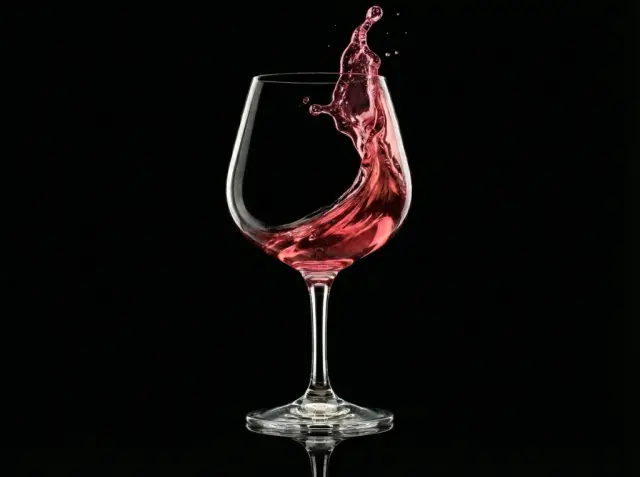
- Glassware and pour behavior. Liquid physics in diffusion models is still inconsistent. For a campaign hero, the pour, the ice, and the meniscus should be photographed. AI is strong at extending a scene around a real pour. It is weak at generating one that holds up under scrutiny.
The working rule on my projects: the product asset is always shot, lit, and approved by the brand before any AI extension touches the image.
Where AI Extensions Are Usually Safe
AI is most defensible in the parts of the image the TTB does not regulate in the first place. That includes:
- Backgrounds and environments that do not imply an origin or ingredient claim the label cannot back up.
- Atmospheric elements like smoke, steam, vapor trails, or abstract light.
- Crowd extension, scene expansion, and aspect ratio reformatting for platform-specific deliverables.
- Variation generation on approved hero frames for social, retail, and paid placements.
Two guardrails that keep this comfortable on the compliance side:
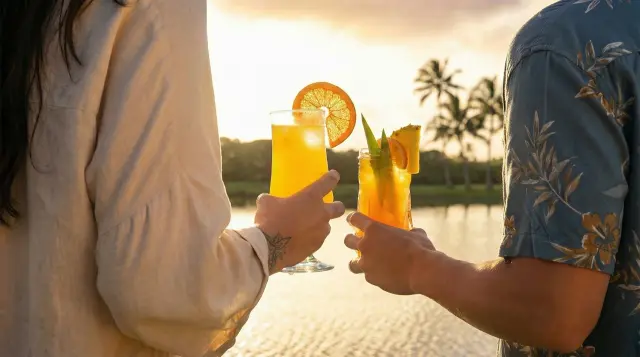
- No people under what a casting director would call an “obvious adult” read. The TTB looks at apparent age, not just actual age. Generated faces are easy to mis-age and easy to read as too young. Either shoot the people or do not include people.
- No implied ingredient or process claims. Do not generate a cooperage scene for a spirit not aged in wood. Do not generate a distillation still for a product that is not distilled on site. Do not generate a vineyard background for a spirit that is not made from grapes.
A Hybrid Production Workflow That Survives Label Review
Most spirits brands I work with treat label review as a hard gate. To make that gate fast instead of painful, the production plan is built in this order:
- Label team signs off on the concept before the shoot. Script, rough comp, and any generated reference frames go into the pre-approval packet. This catches origin or claim issues at the cheapest possible stage.
- Live shoot captures the hero product, the pour, any liquid motion, any cast, and any brand-mandated props. Multiple angles, negative space, and clean plates for AI extension.
- AI extension work happens against approved plates only. Backgrounds, variations, aspect ratios for platform deliverables, and motion loops where relevant.
- Final review packet includes the approved live assets, the generated extensions, and a side-by-side comparison that shows exactly what was added. This makes the legal team’s job five minutes instead of five days.
The last step is the one most productions skip and most label teams quietly want. A clear side-by-side of what was shot versus what was extended is the document that turns “we need to escalate this” into “approved.”
Disclosure and Platform Expectations
Beyond the TTB, a few platform-level considerations worth knowing:
- Meta and TikTok are rolling out AI disclosure requirements for synthetic media in paid and organic posts. These rules apply to any ad that uses AI generated imagery, not only alcohol.
- Programmatic networks are increasingly pushing standardized AI disclosure metadata into creative asset specs. Build your deliverables pipeline to add this metadata at export, not at upload.
- Retail partners sometimes have their own restrictions that go beyond federal rules. Always check with the chain’s marketing team if the asset will run in Costco, Total Wine, or a major grocery cooperative.
None of this is reason to avoid AI in spirits advertising. It is reason to plan like a grown up production.
The Short Version
AI is not a compliance problem. AI used carelessly is a compliance problem.
The recipe that works right now: shoot the product, approve the concept upfront, use AI for extension and variation on approved plates, and deliver a reviewable packet that shows what was live and what was generated. Brands that run this playbook are moving faster than competitors and keeping their label team happy at the same time.
If you are planning a spirits campaign and want a production partner who has run this workflow on TTB regulated work, get in touch.
Tags
- TTB
- AI Creative
- Spirits Advertising
- Compliance